Specialized technical support from Full Gauge ensures operational stability at a pharmaceutical logistics center
Reliable refrigeration control is a critical factor in the pharmaceutical distribution chain.
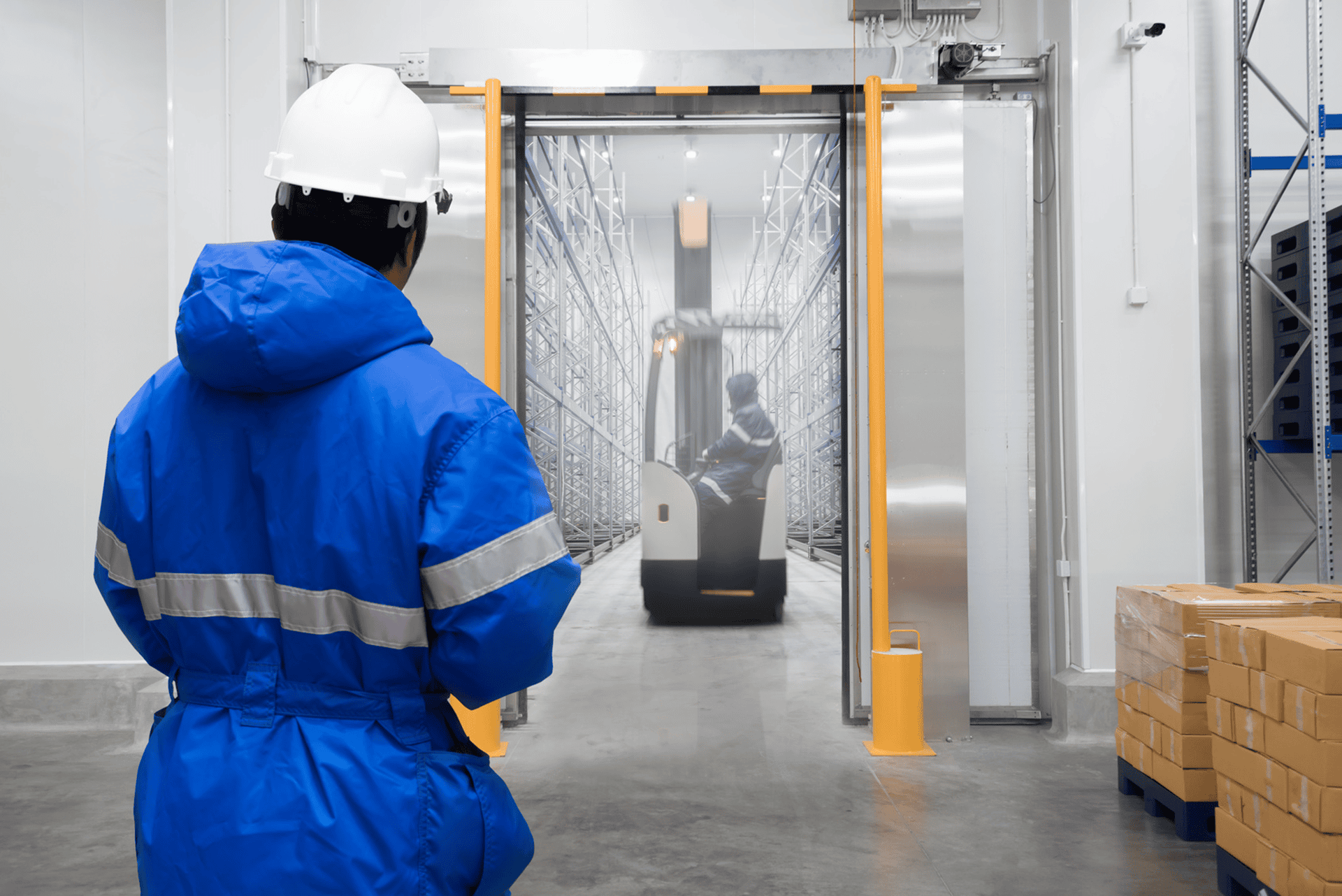
Automation is responsible for a large part of the modernization of the meat processing industry, making processes faster, more precise, and safer.
With the adoption of automated equipment, it is possible to increase productivity, reduce waste and keep a high standard of quality in all stages of production. Furthermore, automation contributes to process standardization, minimizes human error, improves working conditions, and strengthens sanitary control, all essential factors to meet the market’s demands and the strict food safety standards.
The Director of Full Gauge Controls, Antonio Gobbi, states that the company offers a portfolio that includes electronic controllers for temperature, pressure, humidity, and electronic expansion valves, as well as remote management systems which allow facilities to be monitored in real time via internet. “These solutions help ensure the quality of stored goods, provide data traceability, reduce losses, and comply with the industry’s sanitary and operational standards. Another highlight is their contribution to power efficiency in the refrigeration systems. Through smart automation and the precise control of equipment, it is possible to optimize power consumption, increase the reliability of the operation, and reduce costs, factors that are becoming increasingly important to the competitiveness of the meat processing industry.”
The Applications Engineering Supervisor from Soma Solution, Jonas Zanella, explains what the company he works for offers. “We work with technologies focused in industrial automation and inspection, offering solutions such as computer vision systems, X-ray detection, metal detectors, weight control, and integration of production lines. Our focus is to increase the process reliability, ensure compliance with established food safety and quality standards, in addition to optimizing the productivity of meat processing facilities. We have several systems, such as Chicken Cloaca Detection, Callus Inspection, Chicken Bleeding Inspection, Remaining Chicken Inspection in Plastic Crates after Hanging, Chicken Bruise Inspection, Fish, Chicken and Swine Inspection, and Egg Inspection. All of them use AI.”
Gobbi explains why automation is important in this industry. “Automation has a strategic role in companies, especially in areas that depend on rigorous maintenance of the cold chain, such as in the meat processing industry. It provides greater control over processes, continuous monitoring of storing conditions, data traceability, and faster responses when deviations occur that may impact on product quality. In addition to contributing to operational and food safety, automation allows to reduce waste, optimize power consumption, and increase the efficiency of refrigeration systems. It is important to highlight that technology does not replace people, but rather enhance their ability to manage and make decisions.”
Zanella also discusses the importance of automation. “It plays a strategic role in the industry, since it allows for higher standardization of the processes, reduces operational failures, and increases production efficiency. Furthermore, it adds control and traceability layers, increasing operational reliability, and offering important indicators to make decisions and for continuous improvement.”
When discussing specialized labor, Gobbi stresses the importance of greater professional qualifications to meet the demand. “Increasingly efficient and connected systems require professionals who are qualified to install, configure, operate, and maintain them. In Cold Chain, a well-trained team contributes directly to product preservation, the power efficiency of the facilities, and the reduction of operational losses. Therefore, technical training should be seen as a strategic investment by companies in the industry. Full Gauge Controls has maintained for decades its commitment to spread technical knowledge through seminars, training sessions, and educational programs held at trade shows, events, distributors, industries, and educational institutions. In addition, our company provides the FG Academy, an online learning platform which offers technical courses on refrigeration, automation, and monitoring.”
The Application Engineering Supervisor from Soma Solutions states that the automation market has evolved significantly and is currently experiencing a high demand. “In recent years, the industry has greatly accelerated investments in automation, driven by the need to increase productivity, ensure quality, reduce waste, and address the growing shortage of specialized operational labor.”
Furthermore, requirements related to food safety, traceability, and competitiveness have raised the technological level of industrial facilities. The market remains strong and highly competitive.
“We are seeing a growing demand for smarter solutions, integrated and connected to Industry 4.0. The expectations for this year is that investments will continue, particularly in technologies focused on inspection, traceability, data analysis, and increased operational efficiency.”
The Director of Full Gauge Controls discusses the evolution of the market: “The market continues to evolve quickly, driven mainly by the pursuit of power efficiency, traceability, remote monitoring, and higher operational safety. We have seen a continuous growth in the demand for connected solutions capable of providing real-time information to managers, maintenance teams, and those responsible for quality.”
Regarding to current in-force standards related to employee safety, whether companies comply with them, and whether they are enforced by the competent authorities, Zanella comments: “Current standards—especially NR-36 (safety in the slaughtering and processing of meat and meat products) and NR-12 (safety in machinery and equipment)—are essential and have been increasingly valued by companies committed to the industry, particularly exporters who are seeking international certifications.
Large meat processing facilities generally comply well with these standards, investing in machinery compliance, ergonomics, work organization in cold environments, and protection systems. Overall, we are seeing a positive trend—safety is increasingly being treated as an investment in productivity, employee retention, and reputation, rather than merely as a legal obligation.”
Zanella comments on the latest developments. “The solutions mentioned at the beginning of the interview are still considered to be innovative technologies in the meat processing industry and are already being applied in the leading meat processing companies in the country.
Even so, the market remains in constant evolution, with new applications being discovered and implemented continuously. In this context, the use of cutting-edge Hikrobot tech, combined with artificial intelligence-based computer vision, has made it possible to address new industrial challenges with high levels of precision, traceability, operational performance, and reliability in inspection and automation processes.”
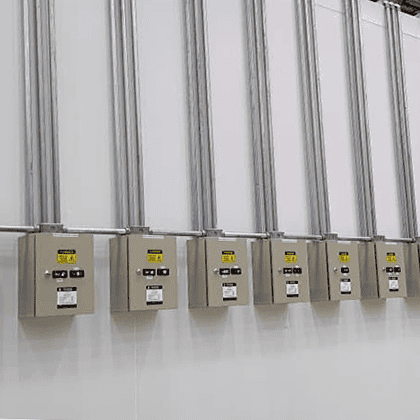
Reliable refrigeration control is a critical factor in the pharmaceutical distribution chain.

Before implementing, the team needed to keep constant monitoring of the control panels and record manually.
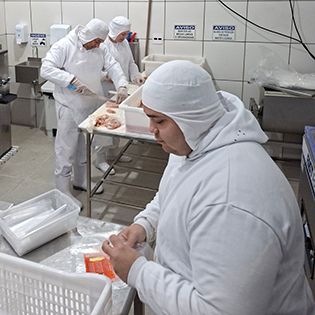
The Cold Storage company that was serving only its neighborhood before, rapidly expanded its client base, and today it is recognized in the entire city.
